બુધવાર, 4 ઑક્ટોબર, 2017

કૃષ્ણા નદી પર રાષ્ટ્રીય જળમાર્ગ માટે પાયો નંખાયો

વાઇસ પ્રેસિડન્ટ એમ. વેંકૈયા નાયડુએ આંધ્રપ્રદેશના અમરાવતી ખાતે રાષ્ટ્રીય જળમાર્ગ 4 ના ભાગરૂપે મુક્તયાલથી વિજયવાડા જળમાર્ગને જોડવા માટે તેમજ કૃષ્ણ નદી પરના વિકાસ માટે પાયો નાખ્યો. 

સાગર માલા પ્રોજેક્ટ હેઠળ વિકસિત રાષ્ટ્રીય જળમાર્ગ -4 નું 82 કિલોમીટર અંતર્દેશીય જળમાર્ગ રેખાનું છે. તેનો ઉપયોગ મુખ્યત્વે નવી રાજધાની અમરાવતી માટે સિમેન્ટ અને બાંધકામ સામગ્રીના પરિવહન માટે કરવામાં આવશે. 

આંધ્ર પ્રદેશમાં NW-4 ની કુલ લંબાઈ 2890 કિ.મી. છે. રાષ્ટ્રીય જળમાર્ગને ત્રણ તબક્કાઓમાં વિકસિત કરવાની યોજના છે જેમ કે : તબક્કો -1: વિજયવાડા (કૃષ્ણા નદી) (82 કિલોમીટર), બીજા તબક્કો-2 : વિજયવાડાથી કાકીનાડા (એલરુ કેનાલ અને કાકીનાડા કેનાલ) અને રાજાહમંડરી થી પોલવારમ (ગોદાવરી નદી) (233 કિ.મી.) અને તબક્કો -3: કોમમુર કેનાલ, બકિંગહામ કેનાલ અને કૃષ્ણા અને ગોદાવરી નદીઓના પટ્ટા (573 કિમી)
ગ્રેવિટેશનલ વેવ્સનો પૂરાવો શોધનારા ત્રણ વિજ્ઞાનીને ફિઝિક્સનું નોબેલ

બ્રહ્માંડમાં ક્યાંક 'ગ્રેવિટેશનલ વેવ્સ' એટલે કે ગુરુત્વાકર્ષણના તરંગો છે, એવી સૈદ્ધાંતિક શોધ તો આલ્બર્ટ આઈન્સ્ટાઈને વર્ષ ૧૯૧૩માં જ કરી દીધી હતી.

પરંતુ ગ્રેવિટેશનલ વેવ્સની હાજરીના પ્રત્યક્ષ પૂરાવા મળતા ન હતા. એ પૂરાવા શોધી કાઢવાનું કામ અમેરિકન વિજ્ઞાની ત્રિપુટી રેઈનર વાઈઝ, બેરી બારિશ અને કીપ થોર્પે કર્યું હતું. માટે વર્ષ ૨૦૧૭નું ભૌતિકશાસ્ત્ર (ફિજિક્સ)નું નોબેલ પ્રાઈઝ આ ત્રણેય વિજ્ઞાનીઓને એનાયત થશે.


જોકે ફેબુ્રઆરી ૨૦૧૬માં જ્યારે પહેલી વખત ગ્રેવિટેશનલ વેવ્સના તરંગો ઓળખી શકાયા ત્યારથી જ નક્કી મનાતુ હતું કે આ ત્રણેય વિજ્ઞાાની નોબેલ પ્રાઈઝ મેળવશે. ૧૧ લાખ ડોલર કરતા વધુની રકમ એ ત્રણેયને એનાયત થશે.


મંગળવાર, 3 ઑક્ટોબર, 2017

ઉપરાષ્ટ્રપતિ નાયડુએ રાજઘાટમાં ગાંધીજીની 1.8 મીટર ઊંચી કાંસ્ય પ્રતિમા ખુલ્લી મૂકી


ઉપરાષ્ટ્રપતિ એમ. વૈક્યા નાયડુએ રાષ્ટ્રપિતા મહાત્મા ગાંધીની ૧૪૮મી જન્મ જયંતિ નિમીતે પાટનગરમાં મહાત્માજીની સમાધી રાજઘાટમાં તેમની ૧.૮ મિટર ઉંચી કાસ્ય પ્રતિમા ખુલ્લી મુકી હતી. આ મૂર્તિ જાણીતા મૂર્તિકાર રામ સૂતારે બનાવી છે.

રાજઘાટમાં રાષ્ટ્રપતિના સમાધિસ્થળે પ્રથમ વખત એવું શિલ્પ મુકાયું છે જે અનેક પ્રવાસીઓમાટે તૈયાર થઈ છે. જે બે ફિટ ઉંચા ગ્રેનાઈટના પ્લેટફોર્મ પર ગોઠવવામાં આવી છે. તે પ્લેટફોર્મ પર 'તમે નિહાળવા આતુર હતા તે પરિવર્તન થશે.'(બીધ ચેઈન્જ યુવીશટુસી) તેવું લખાણ કરવામાં આવેલું છે.

રાજઘાટની રોજ ૧૦,૦૦૦ દેશ-વિદેશના લોકો મુલાકાત લે છે, અને મહામાનવ એવા રાષ્ટ્રપિતા ગાંધીજીને પોતાની શ્રધ્ધાંજલી પાઠવે છે.

જેમણે અહિંસા અને સત્યાગ્રહને વિશ્વ સમક્ષ પરમ શાંત પણ શક્તિશાળી આંદોલન તરીકે રજૂ કરીને ત્યારની વૈશ્વિક સર્વોચ્ચ સત્તા, બ્રિટિશરોને હંફાવી દીધા હતા અને ભારતમે આઝાદી આપવા મજબૂર કરી દીધા હતા. તેઓ જ્યાં પહોંચે ત્યાં લાખો- કરોડો લોકોનો માનવ મહેરામણ તેમની સાથે આંદોલિત થતો હતો.


બ્રિટીશરોના તમામ હથિયારો ' આ મુઠ્ઠી હાડકાના માનવિ સામે' બુઠ્ઠા સાબિત થયા હતા. તેમની મૂર્તિ ઉપરાંત નાયડુએ રાજઘાટના પાર્કિંગ સ્થળ નજીક 'બાપૂના જીવનની દસ્તાવેજી ફિલ્મ અને તેમના અવાજમાંજ ભાષણો રજૂ કરતા ઇન્ટરપ્રિટેશન સેન્ટરનું પણ ઉદ્દઘાટન કર્યું હતું.'

ડિજિટલ મશીનના સંદર્ભમાં સૌથી પહેલીવાર 'કમ્પ્યુટર' શબ્દ 70 વર્ષ પહેલા વપરાયો હતો


કમ્પ્યુટર એટલે કે હવે તો બધુ કામ કરી શકતું મશિન. ઈલેક્ટ્રોનિક ડિજિટલ મશિન તરીકે કમ્પ્યુટર શબ્દનો સૌથી પહેલો ઉપયોગ 1947ના ઑક્ટૉબર માસમાં એટલે કે 70 વર્ષ પહેલા થયો હતો.

કમ્પ્યુટર જગતમાં મોખરાનું સ્થાન ધરાવતી કોઈ કંપનીઓએ નહીં, પરંતુ એક બ્રિટિશ રેસ્ટોરાં ચેઈન ધરાવતી કંપની 'જે. લાયન્સ એન્ડ કું'એ કમ્પ્યુટર શબ્દને ચલણી બનાવ્યો હતો. આ કંપનીના ડિરેક્ટરોએ આધુનિક મશીનનો મોટાપાયે પ્રચાર થાય અને તેનું ઉત્પાદન વધે એ માટે ઝૂંબેશ શરૃ કરી હતી. ત્યારે જ આ શબ્દ વધારે વપરાતો થયો હતો.

કમ્પ્યુટર શબ્દ મૂળ તો ગણતરી માટે વપરાય છે. આજે કમ્પ્યુટર એટલે ચોક્કસ પ્રકારનું મશીન એવી વ્યાખ્યા સૌના મનમાં ફીટ છે. પણ જ્યારે મશીન ન હતા, ત્યારે પણ આ શબ્દ હતો. ચાર સદી પહેલા ઈસવીસન 1613માં સૌ પ્રથમ વખત ગણતરી કરી શકતા વ્યક્તિ માટે કમ્પ્યુટર શબ્દ પ્રયોજવામાં આવ્યો હતો. મૂળ એ ફ્રેન્ચ ભાષાનો શબ્દ છે.

19મી સદીમાં મશીનયુગ શરૃ થયો ત્યાં સુધી કમ્પ્યુટરની એ જ વ્યાખ્યા પ્રચલિત રહી હતી. અત્યારે કમ્પ્યુટરની સામાન્ય એવી વ્યાખ્યા છે કે માહિતી સ્વીકારી શકે, આપી શકે, ગણતરી કરી શકે, ચોક્કસ કમાન્ડનું પાલન કરી શકે એવું યંત્ર.

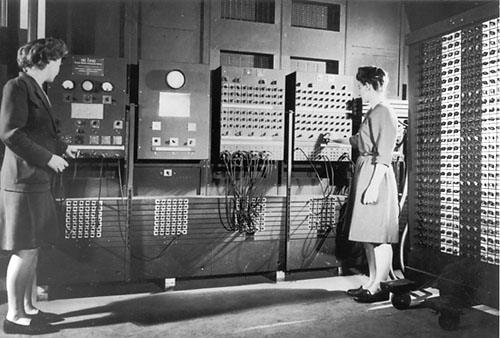
1822માં સૌ પ્રથમવાર ગણતરી શકે એવુ યંત્ર એટલે કે કમ્પ્યુટર ચાર્લ્સ બેબેજે તૈયાર કર્યું હતું. પરંતુ આધુનિક કમ્પ્યુટીકરણની શરૃઆત 1946થી થઈ ગણાય છે. પ્રથમ કમ્પ્યુટર 'એનિઆક' 1946ની 15મી ફેબ્રુઆરીએ ખુલ્લું મુકાયુ હતુ. માટે પછીથી કમ્પ્યુટર શબ્દ પણ પ્રચલિત બન્યો હતો.  

સોમવાર, 25 સપ્ટેમ્બર, 2017

India’s first home built submarine handed over to Indian Navy

For the first time in 22 years, India's first ingenuously built INS Kalavari submarine has been handed over to the Indian Navy.

INS Kalavari, a diesel electric attack submarine, is a Scorpene-class submarine and is the first of the six submarines being built in India under Project-75 by Mazagon Docks Limited with a technology transfer from France's DCNS (Direction des Constructions Navales Services).

Kalavari, which is named after the tiger shark, is a stealth submarine and is difficult to be detected by the enemy. It weighs 1,550 tonnes and is equipped with six 533-millimeter torpedo tubes for launching anti-ship torpedoes, anti-ship missiles, and sea mines according to The Diplomat.

INS Kalavari's induction will be a landmark milestone in India's bid to build its underwater warfare capabilities with an eye on China and Pakistan.


The second Scorpene submarine INS Khanderi was launched in January 2017 after the ghost of a data leak which threatened to derail the project in August 2016.
FTSE SBI Bond Index: India’s first bond index series launched by SBI


State Bank of India (SBI) on 22nd sept launched India’s first bond index series for overseas investors at the London Stock Exchange (LSE).

The FTSE SBI Bond Index Series, launched by India’s largest commercial bank along with global index and data provider FTSE Russell, is positioned as a first-of-its-kind transparent benchmark for investors in international markets to analyse India’s government bond market.


The City of London is delighted to welcome the FTSE Russell State Bank of Indian Bond Index Series and considers it an excellent example of London’s commitment to the Indian financial markets and offering tools and products for international investors seeking exposure in India.
With the aim of improving the education and health sectors,


NITI Aayog’s SATH Program launched in Assam.NITI Aayog has recently launched 'Sustainable Action for Transforming Human Capital' (SATH), an initiative through which it will partner with three states and turn them into role models for other states by helping them improve their education and health sectors. The selection of the states will be through a three-stage process.

Aim of the initiative:

  • The vision of the program is to transform the health and education sectors of the Indian states
  • SATH aims to identify and build three future role model states for health and education

Selection of the states:  

  • NITI Aayog has defined a three-stage process for state selection:
1.    Expression of interest
2.    Presentations by the states
3.    Assessment of commitment to health sector reforms
  • NITI Aayog has invited all the states and union territories to participate in the programme. Sixteen states expressed interest, of which fourteen made their presentations. Out of these states, five have been shortlisted
  • Three states will be selected on the basis of further evaluations and objective assessment of criteria affecting the potential for impact and likelihood of success
  • Andhra Pradesh, Assam, Bihar, Chandigarh, Goa, Gujarat, Haryana, Jharkhand, Karnataka, Madhya Pradesh, Odisha, Punjab, Telangana and Uttar Pradesh presented their proposals to a committee headed by a member of NITI Aayog and comprising the CEO as well as a representatives from the Ministry of Health and Family Welfare
  • Several health metrics such as MMR, IMR, the incidence of malaria and others have been considered for determining potential impact. The density of doctors and nurses, compliance to IPHS norms are some of the metrics used to determine the likelihood of success

About NITI Aayog:


The National Institute of transforming India is also known as NITI Aayog. It is the premier think tank of the Government of India. It provides directional and policy inputs. It was formed on January 1, in the year 2015 and replaced the Planning Commission. The ex-Prime Minster serves as the ex-officio Chairperson of NITI Ayog.